
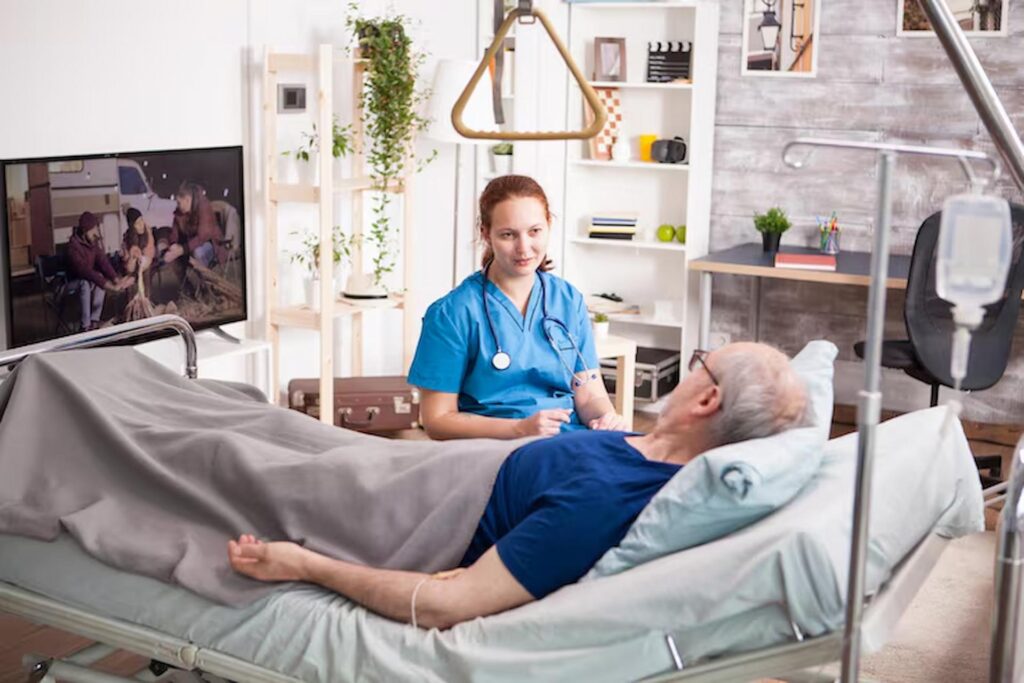
A great deal of support is typically offered to those navigating the move into a care home or a long-term care facility. Despite this, it’s those moving back home after a short or long-term hospital stay who are among the most vulnerable, facing complex medication routines, changes to their mobility, and a drop in confidence and independence.
The right hospital-to-home care considers the individual needs of a patient as they face the move back home, ensuring that patients are supported even after being discharged from hospital. If you have a loved one who is facing the move back home after a stay in hospital, here are three things to consider and factor into your planning.
1. The Complexities of Regaining Independence and a Self-Managed Routine
While no one wants to stay in hospital on a long-term basis, the consistency of the care delivered and the routine support can make everyday life much simpler for patients and their loved ones. In contrast, the idea of moving back home can feel overwhelming and virtually impossible to navigate.
The right level of hospital-to-home care looks at everything from the home environment of the patient and their available support to their medical and care needs outside of hospital, and creates a bespoke plan to suit them. This can involve everything from meal preparation to support with physical tasks around the house and adjusting things to make them easier to manage in the long run.
2. Medication and Personal Needs
Another major concern for those moving home after a hospital stay is managing potentially new conditions, personal needs and medications. Heading home from hospital, armed with medication that you need to remember to take and personal care needs that you need to adhere to can feel challenging, not just for the patient but for loved ones as well.
The right care support services are uniquely designed to manage these needs seamlessly, supporting the creation of new routines and ensuring that care is consistent. It’s this continuity of care and commitment to establishing new and supportive routines that play such a big part in preventing readmission among patients.
3. Easing Your Own Concerns
As the loved one of someone moving back home after a hospital stay, one of the biggest concerns can be for their safety and their comfort, and how to balance the two in harmony.
Hospital-to-home care is designed to bridge the rediscovery of independence with the need for safety and for maintaining consistency with medication, changes to mobility, and any other shifts informed and led by the hospital stay. This kind of care, and the support required by patients and families, varies from one case to the next, which is why each journey is handled individually and with a bespoke care package.
To find out more about how to streamline the transition from hospital to home, get in touch with your local team and access the support you need.