
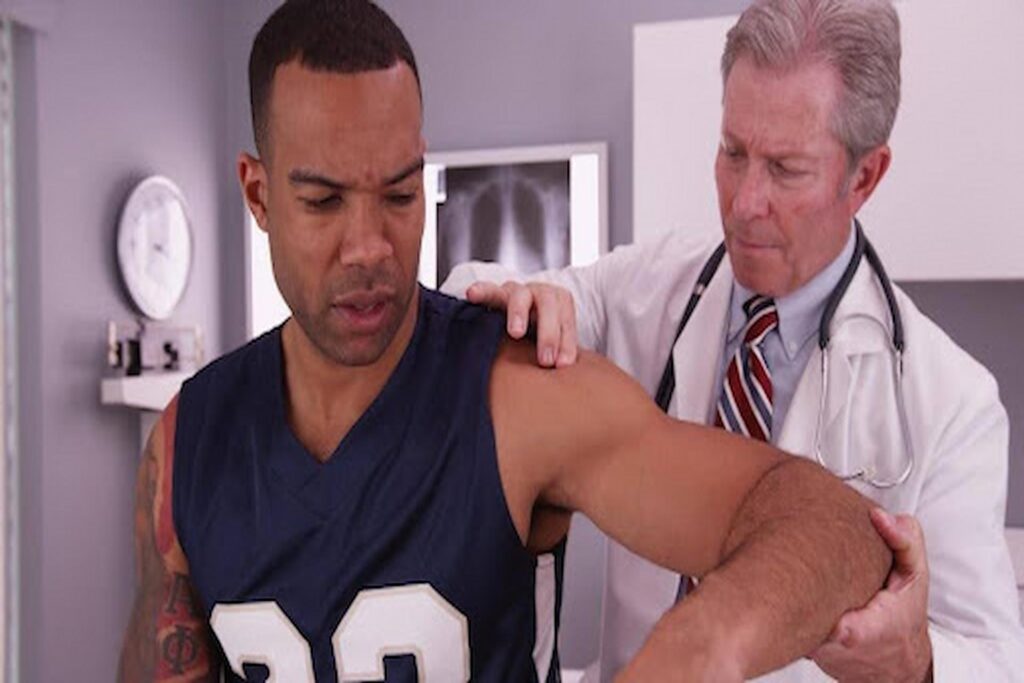
Returning to sports after spine surgery is a common goal for active patients, but knowing when it is safe to resume activity requires careful guidance. Dr. Larry Davidson, a leader in minimally invasive spine surgery, emphasizes that while regaining athletic function is possible, rushing through the process can put recovery and long-term spinal health at risk. Each procedure, patient and sport present unique factors that influence the timeline.
Every recovery journey is different. While some athletes are eager to get back to training as quickly as possible, others may feel hesitant or uncertain. It is important to understand that the return-to-play process is not just about meeting a calendar date, but about ensuring that strength, flexibility, and control are restored in a way that supports spinal health and overall performance.
Why Caution Matters
The spine is central to nearly every movement, absorbing and distributing forces during sports activities. After surgery, the body needs time to heal before facing these stresses. Returning too soon can increase the risk of re-injury, hardware failure, disc re-herniation or new spinal issues. Even if pain has decreased, tissues, including muscles, ligaments and bones, may still be vulnerable. A conservative phased approach helps protect the surgical site, while supporting long-term function and performance.
Taking time to rebuild proper movement patterns can also reduce the risk of compensation for injuries elsewhere in the body. Caution is not about limiting potential. Instead, it is about building a solid foundation so athletes can return stronger, safer and better prepared for the demands of their sport. A thoughtful, gradual approach helps reduce the risk of re-injury and supports long-term performance. It also reinforces healthy habits that can enhance resilience and sustain athletic success over time.
Factors That Shape Recovery Timelines
Several variables influence how soon patients can safely resume athletic activity. These include the type of procedure performed, the specific sport or activity, the patient’s age, overall health and pre-surgery fitness level. For example, someone returning to golf or swimming might progress faster than an athlete aiming to return to high-contact sports, such as football or wrestling. The degree of spinal stability required for different activities also plays a role in determining readiness.
The presence of nerve involvement, the complexity of the surgery and whether fusion or hardware implantation were involved in all effect recovery timelines. Physical therapy progress and surgeon assessments guide decisions, ensuring readiness at each phase.
Typical Timelines by Procedure
While each recovery is unique, some general patterns can provide a starting point:
- Microdiscectomy – Many patients begin low-impact activities such as walking or gentle stationary cycling within 2 to 4 weeks. Light non-contact sports may be appropriate between 6 to 12 weeks, while high-impact sports may require 3 to 6 months, depending on progress.
- Laminectomy – Recovery timelines are like microdiscectomy, but the healing period before high-impact or contact sports may be extended by several additional weeks to support tissue recovery.
- Spinal fusion – Fusion procedures require the greatest patience. Low-impact conditioning, like walking or aquatic therapy, may start at 3 to 6 months, with gradual progression. Return to contact sports or activities involving heavy axial loading (such as running or weightlifting) often requires 9 to 12 months or longer to ensure solid bone healing.
It is critical that patients not rely solely on generic timelines, but instead follow individualized plans developed by their surgical and rehabilitation teams.
The Role of Physical Therapy
Physical therapy plays a vital role in helping athletes return to their sport safely. The focus is on restoring range of motion, core strength, flexibility, balance and neuromuscular control. Therapists track progress closely, adjust exercises as needed, and teach strategies that protect the spine during athletic movement. Gradually introducing sport-specific drills helps athletes rebuild both confidence and proper mechanics for full participation.
Key milestones often include symmetrical strength restoration, endurance thresholds and functional movement tests that demonstrate readiness for higher-level activities. Moving through these milestones step by step helps lower the risk of re-injury and builds lasting spinal strength. Recovery is not just about returning to play, but doing so with the strength, control and awareness needed to protect the spine. This structured approach ensures that athletes are not only physically prepared but also mentally confident in their return.
Psychological Readiness
Returning to sports after surgery isn’t just about physical recovery. Worries about re-injury, loss of confidence or anxiety over performance can slow progress, and even lead to movement patterns that raise the risk of setbacks. That’s why addressing mental readiness is just as important. This can include working with a sports psychologist, setting realistic step-by-step goals and using visualization techniques to restore confidence.
Athletes who return with a positive mindset and trust in their recovery process are more likely to succeed in their return to sports and enjoy the experience. This mental readiness can be just as important as physical strength in ensuring a confident and sustainable comeback.
Recognizing Red Flags
Patients and care teams must stay alert for signs that suggest recovery is not proceeding as expected. Persistent or worsening pain, new numbness or weakness, difficulty performing basic daily activities, or instability during exercises should prompt immediate evaluation. Early intervention can prevent small setbacks from becoming significant complications.
Being honest about symptoms and communicating openly with providers ensures the recovery plan stays on track. Clear, timely communication allows the care team to adjust rehabilitation strategies, address emerging concerns and provide reassurance, when needed. This collaborative approach helps patients stay engaged, minimizes setbacks and promotes steady, confident progress toward long-term recovery.
Partnering With the Care Team
A successful return to sports after spine surgery is the result of teamwork. The surgeon, physical therapist, athletic trainer and the patient each contribute unique expertise. Regular communication, shared decision-making and a willingness to adjust the plan as needed help balance performance goals with spine protection.
A strong partnership between the patient and care team builds trust and promotes active engagement throughout recovery. When athletes feel informed and supported, they are more likely to follow their rehabilitation plan and speak up about challenges along the way. Dr. Larry Davidson highlights that athletes who view their recovery as a partnership often achieve more sustainable, satisfying outcomes. This collaborative mindset supports accountability, encourages consistent progress and helps align medical guidance with the athlete’s personal goals.
Tips for Athletes Preparing to Return
To support a safe, strong return to sport, athletes can:
- Follow the rehabilitation plan faithfully, without skipping steps.
- Focus on gradual progression, rather than rushing milestones.
- Maintain general fitness with approved low-impact activities.
- Prioritize core strengthening, flexibility and balance work.
- Use supportive equipment or bracing if recommended.
- Celebrate small victories along the way to stay motivated.
Patience and consistency are essential for athletes working toward a safe comeback.
Return Stronger, Not Just Sooner
The desire to return to sports is natural, but the true goal is a safe, lasting return that supports both performance and long-term spine health. By respecting recovery timelines, building strength and control gradually and partnering closely with the care team, athletes can return to their sports with confidence and a spine that is ready for the challenge.
This process is not just about physical healing. It is also an opportunity to build better habits, improve body awareness and reduce the risk of future injury. With a patient and informed approach, athletes can return to playing feeling prepared, resilient and well-equipped for sustained success.